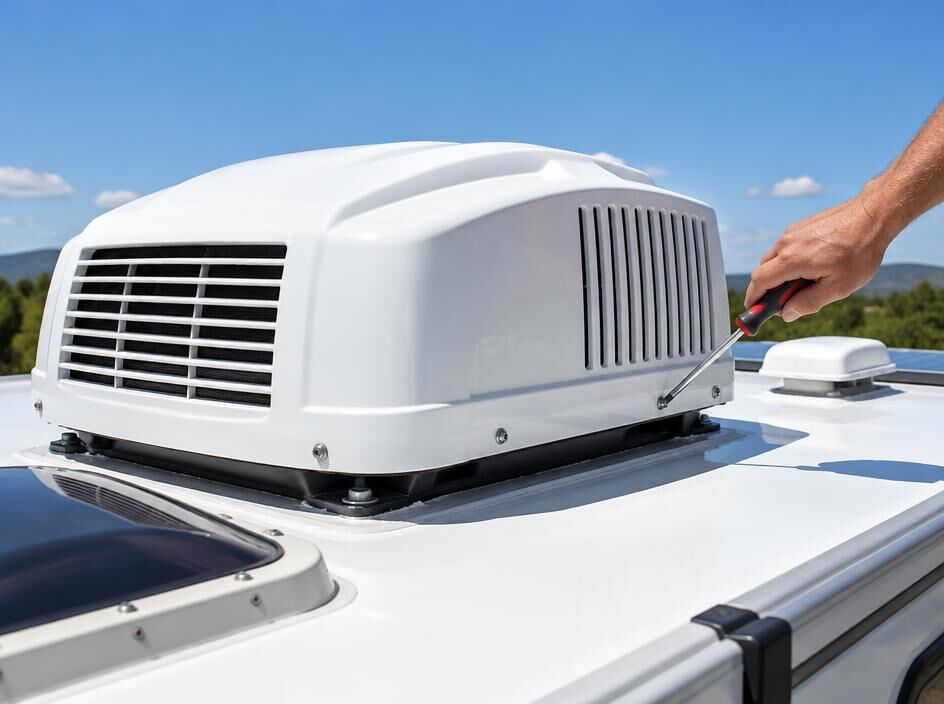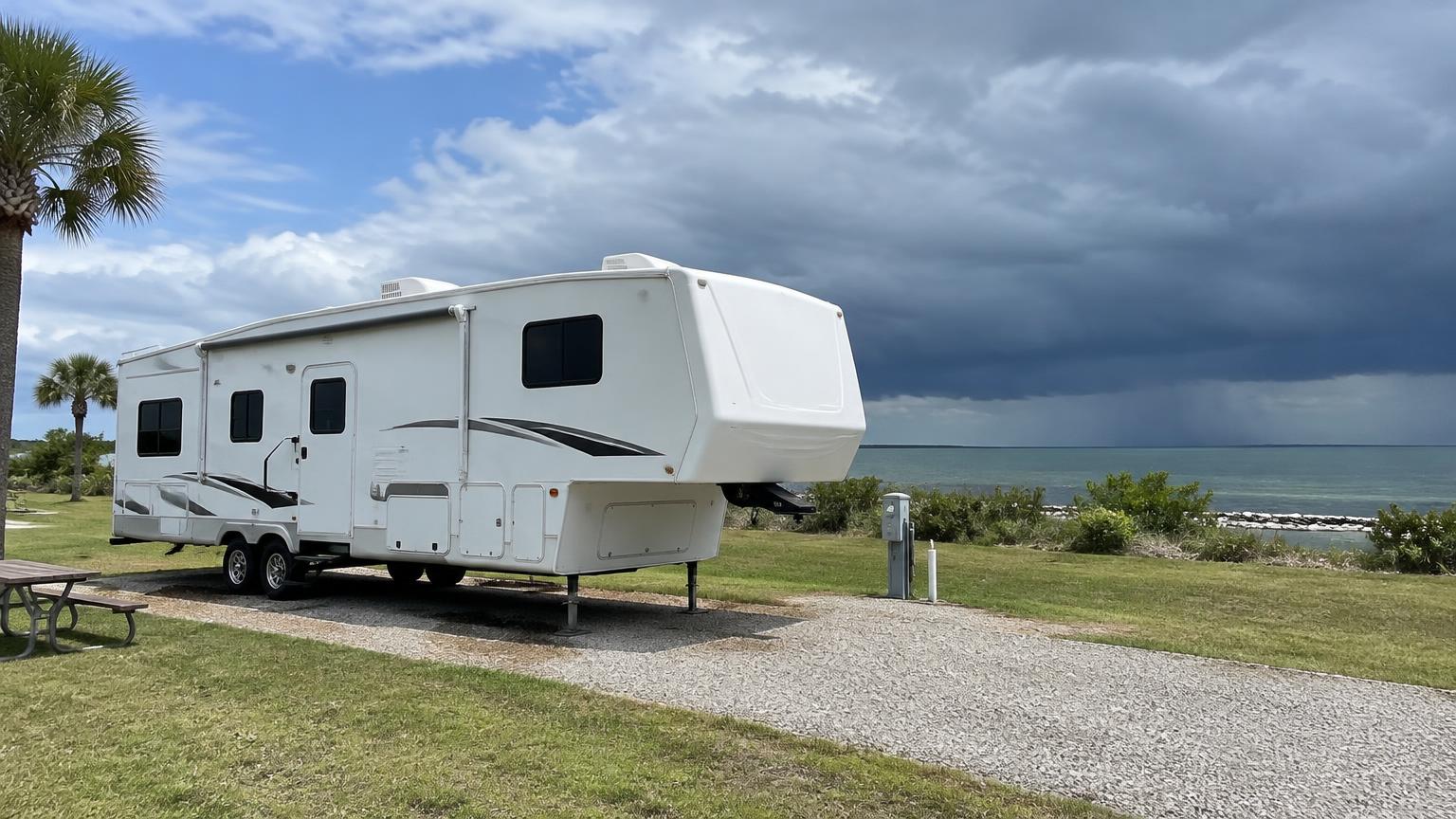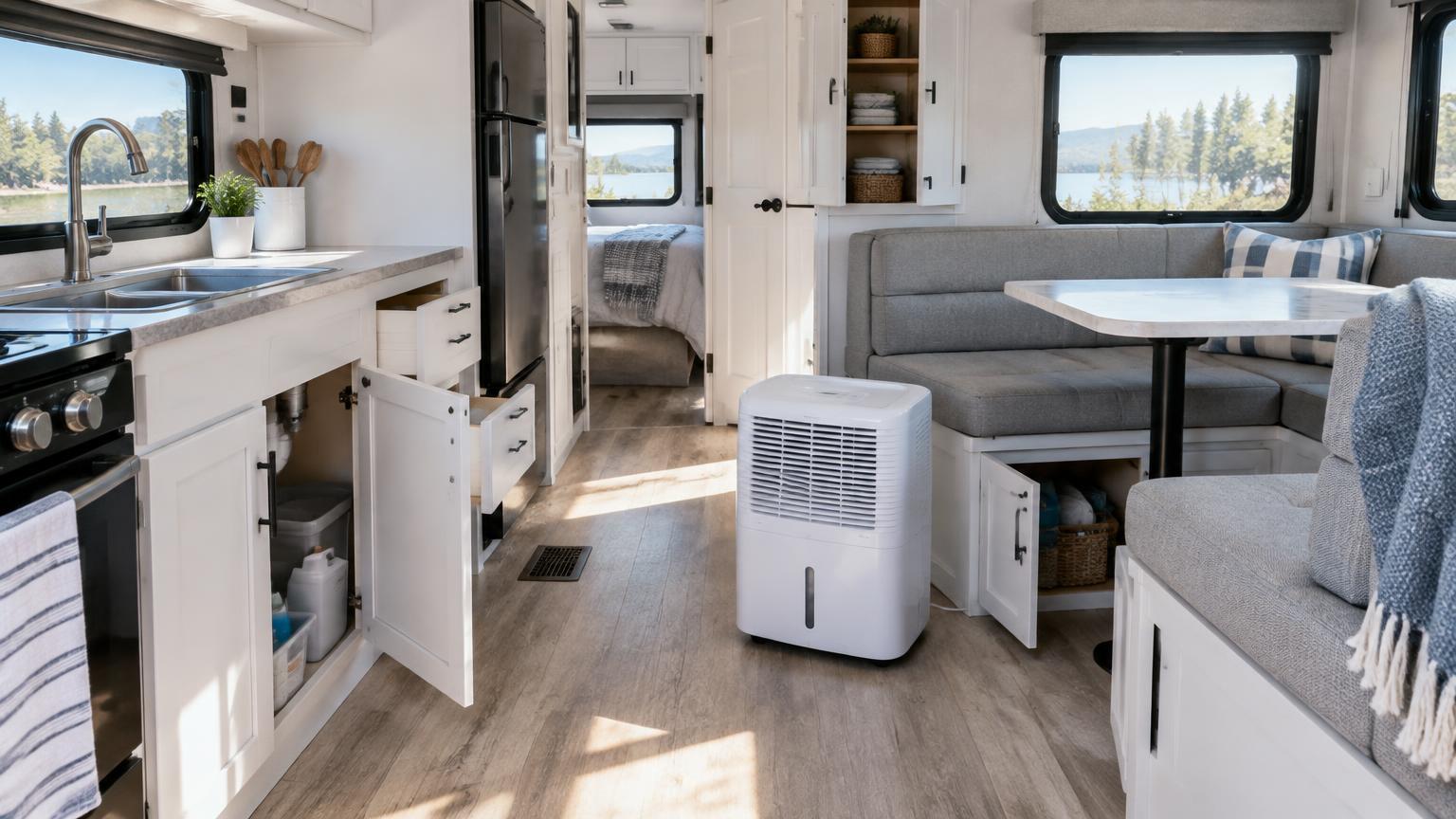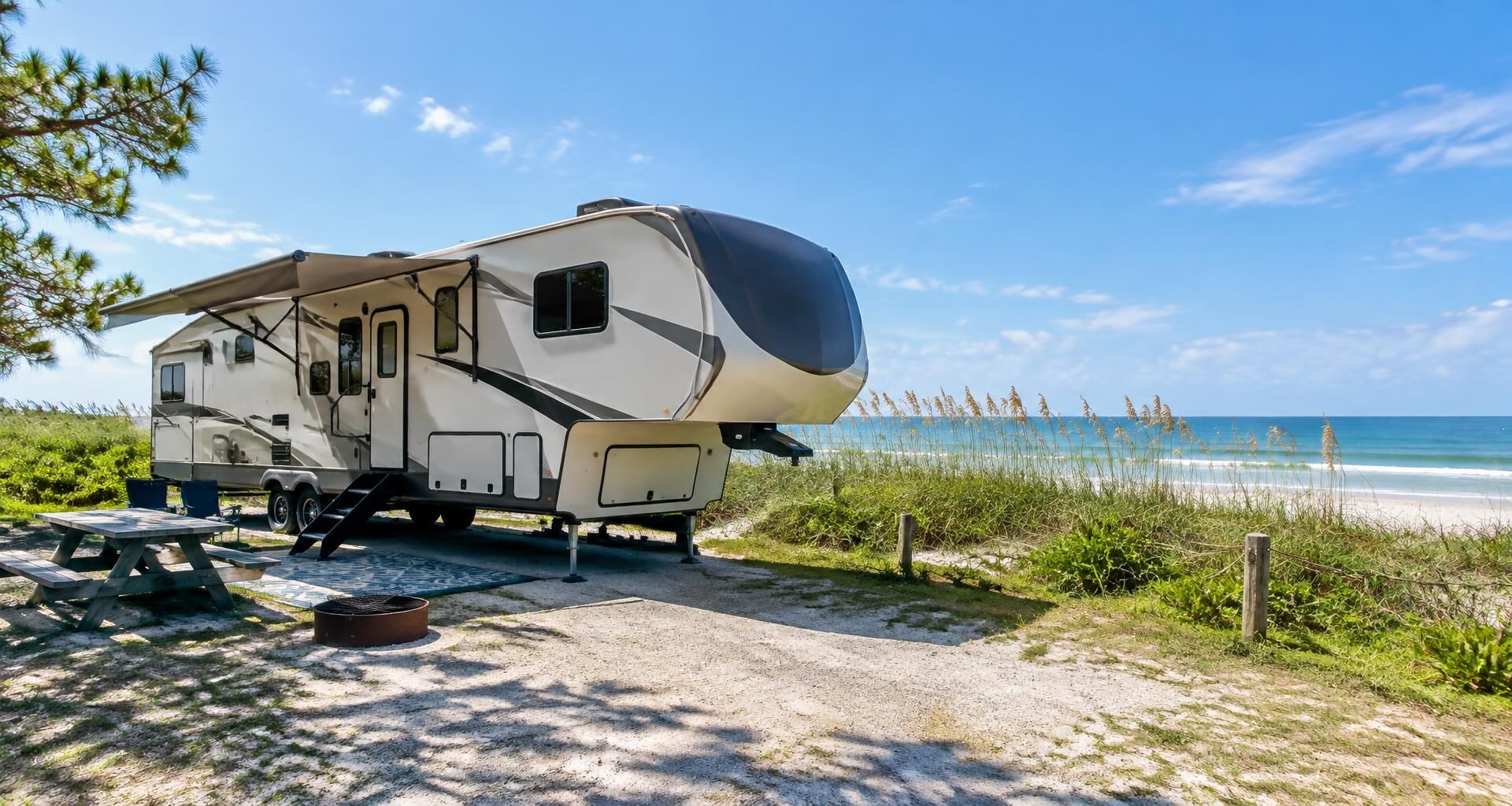

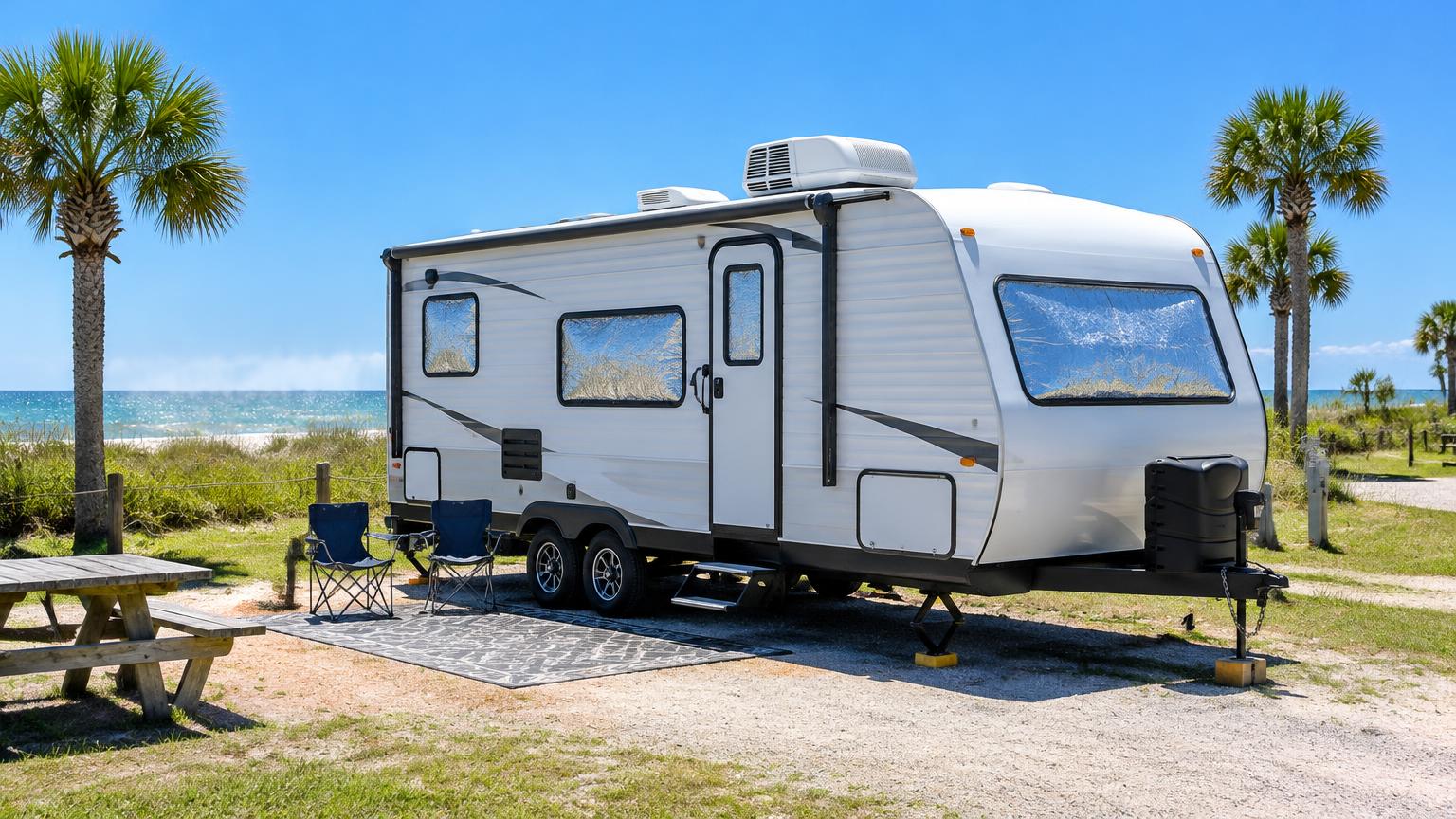
If you've spent a summer in an RV anywhere between Foley and Fort Morgan, you know the feeling: the A/C has been running since breakfast, it's blowing, and the inside of the rig is still sticky at three in the afternoon. Before you assume the unit is dying, it helps to know what an RV air conditioner is up against down here, and which problems are normal versus which ones need a tech.
Why RV A/C struggles on the Gulf Coast
An RV is basically a metal-and-fiberglass box with thin walls, lots of windows and a roof that sits in full sun all day. Most rooftop units are rated around 13,500 or 15,000 BTU, and they were designed to keep up with typical heat, not with long stretches of high heat plus heavy humidity. On the Alabama coast you get both.
Humidity matters more than people think. Part of the A/C's job is pulling moisture out of the air. When the air is thick, the unit spends a lot of its effort drying the air instead of cooling it, so the temperature drops slowly even though the system is working.
What's normal
- A rooftop unit that keeps the inside about 15–20 degrees cooler than outside on a very hot day is doing roughly what it was built to do.
- Water dripping from the roof or the drain lines while it runs is normal. That's the moisture it pulled out of the air.
- The rig feeling warmest in the late afternoon, after the sun has been on the roof and walls for hours, is normal.
What's not normal
- The unit runs but the air coming out feels barely cool.
- Ice on the coils or frost on the vents.
- The breaker trips, or the unit starts, stops and clicks repeatedly.
- Water dripping inside the RV around the ceiling assembly.
- A burning smell or a loud new noise from the roof.
Those are signs to stop and call, because running a struggling unit hard in the heat can turn a small repair into a bigger one.
Things you can do today
Clean or replace the filters. The return-air filters behind the ceiling grille clog fast with pollen, dust and, in spring and fall, bugs. A dirty filter is one of the most common reasons an RV A/C feels weak.
Start early. Turn the A/C on in the morning before the RV heats up. It's much easier for the unit to hold a cool temperature than to pull a hot rig down at 2 p.m.
Block the sun. Use reflective window covers on the sunny side, close blinds, and put the awning out if the wind allows. Windshields on motorhomes are a huge heat source; cover them.
Park smart when you can. If you have a choice, point the biggest windows and the windshield away from the afternoon sun, and use shade from trees or buildings.
Cut the extra heat inside. Cook outside or use the microwave instead of the oven, and keep the door closed as much as possible.
Check your power. Low voltage at a busy campground pedestal on a hot day can make the A/C work harder and run hotter. If lights dim when the compressor kicks on, mention it when you call.
When to call a mobile tech
If you've cleaned the filters, blocked the sun and the unit still can't keep up, or if you see any of the "not normal" signs, it's time to have it checked. A tech can check the refrigerant side, the fan motor, the capacitor, the thermostat and the wiring, and tell you whether it's a repair or whether the unit is near the end of its life.
With a mobile tech, you don't have to unhook and drive a hot RV to a shop. Phil comes to your site, home or storage lot anywhere in Baldwin County, from Gulf Shores and Orange Beach up to Fairhope and Daphne. He'll tell you what he finds and what it costs before he starts.
The bottom line
Gulf Coast heat is hard on any RV A/C. Clean filters, an early start and blocking the sun make a real difference. When the unit stops keeping up even with those, get it looked at before the next heat wave, not during it.
Questions about this
On a very hot, humid day, about 15–20 degrees below the outside temperature is a common real-world result for a rooftop unit. If you're getting much less than that with clean filters, have it checked.